Short answer: The St. Andrew Christmas Novena is a short prayer honoring the hour of Christ’s birth. It is traditionally prayed 15 times a day from the Feast of St. Andrew, November 30, until Christmas. In 2026 it begins on Monday, November 30, the day after the First Sunday of Advent. You don’t have to say all 15 at once, and the devotion is a private, popular practice, not an obligation.
Every year, as Advent begins, Catholic families pull out a small card with a single paragraph on it and tape it to the refrigerator or tuck it into a missal. It’s one of the most loved Advent devotions in the English-speaking world, and one of the easiest to keep. Here is the prayer, how to pray it, and what it means.
The St. Andrew Christmas Novena prayer
Hail and blessed be the hour and moment in which the Son of God was born of the most pure Virgin Mary, at midnight, in Bethlehem, in piercing cold. In that hour vouchsafe, O my God, to hear my prayer and grant my desires, through the merits of Our Saviour Jesus Christ, and of His Blessed Mother. Amen.
After “grant my desires,” many people pause to name their intention silently.
How to pray it, step by step
- Start on November 30, 2026, the Feast of St. Andrew the Apostle.
- Pray the prayer 15 times each day. Many people split it up: five in the morning, five at midday and five at night.
- Keep the same intention for the whole season, or offer it for different people and needs.
- Continue through Christmas Eve (some families finish on Christmas Day).
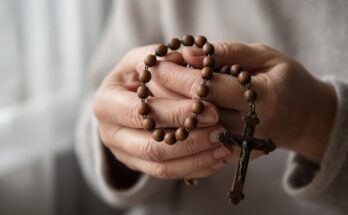
That’s about 25 days, or roughly 375 prayers. Families with children often keep count with rosary beads, beans moved from one jar to another, or tally marks on a chart. If you miss a day or start late, simply pick it up again. This is a devotion of love, not a test.
Why is it called a “novena” if it lasts almost a month?
Strictly speaking, a novena is nine days of prayer, modeled on the Apostles and Mary praying together between the Ascension and Pentecost (Acts 1:14). The St. Andrew prayer has borrowed the name because, like a novena, it is a set period of persevering prayer for a particular intention. It’s best understood as an Advent devotion that walks you all the way to the manger.
Where does the prayer come from?
The author is unknown. The prayer circulated widely on Irish prayer leaflets by the early twentieth century, and many printed cards carry an imprimatur attributed to Archbishop Michael Augustine Corrigan of New York, dated February 6, 1897. The cards add a note that it is “piously believed” that whoever prays it faithfully will obtain what is asked.
That wording matters. An imprimatur means a bishop judged the text free of error in faith and morals. It is not a promise from the Church that a particular request will be granted.
Who was St. Andrew?
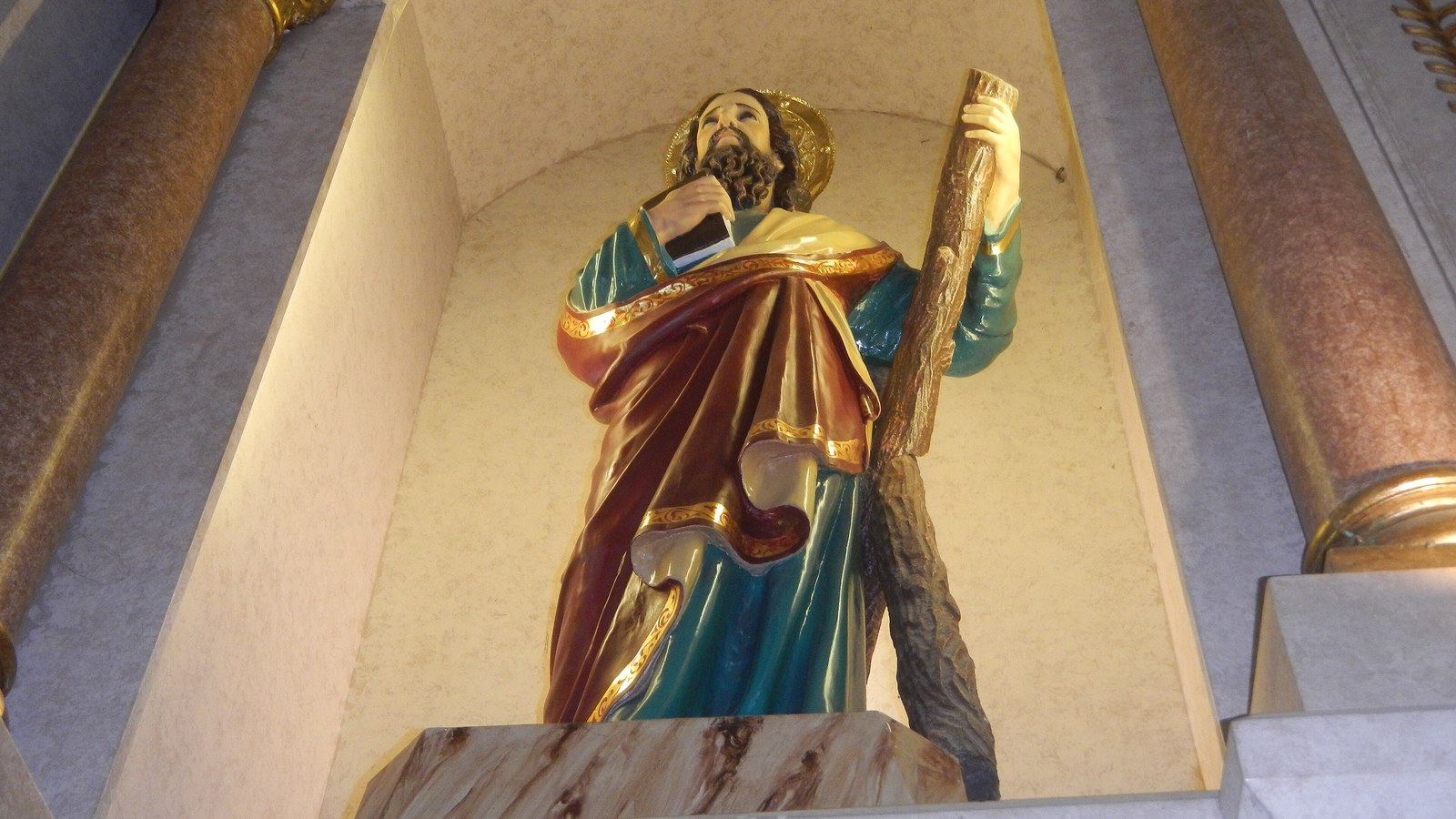
St. Andrew was a fisherman from Bethsaida in Galilee and the brother of Simon Peter. St. John’s Gospel tells us he was first a disciple of John the Baptist. After hearing John call Jesus “the Lamb of God,” Andrew followed the Lord, spent the day with Him, and then ran to tell his brother: “We have found the Messiah,” and “he brought him to Jesus” (John 1:35–42). For that reason the Eastern Churches call him the Protokletos, the “First-Called.”
Later, Jesus called both brothers from their nets: “Follow me, and I will make you fishers of men” (Matthew 4:19). Ancient tradition holds that Andrew preached in Greece and was martyred by crucifixion at Patras; later tradition says the cross was X-shaped, which is why the diagonal “St. Andrew’s cross” appears on the flag of Scotland, one of the many places that claim him as patron.
It’s fitting that this Advent prayer begins on his feast. Andrew’s whole vocation was bringing people to Jesus, which is exactly what Advent asks of us.
Is it okay to pray for what we want?
Yes. Jesus Himself teaches us to ask: “Ask, and it will be given you; seek, and you will find” (Matthew 7:7). The Catechism of the Catholic Church calls prayer of petition the most usual form of prayer (CCC 2629) and reminds us that God does not always answer the way we expect, because He knows what is truly good for us (CCC 2735–2737).
The Church also values devotions like this one. Popular piety, the Catechism says, extends the liturgical life of the Church but does not replace it (CCC 1675). So let the St. Andrew prayer lead you toward the Mass and the sacraments this Advent: Sunday Mass, a good confession before Christmas, and time before the Blessed Sacrament.
Ways to make it part of your Advent
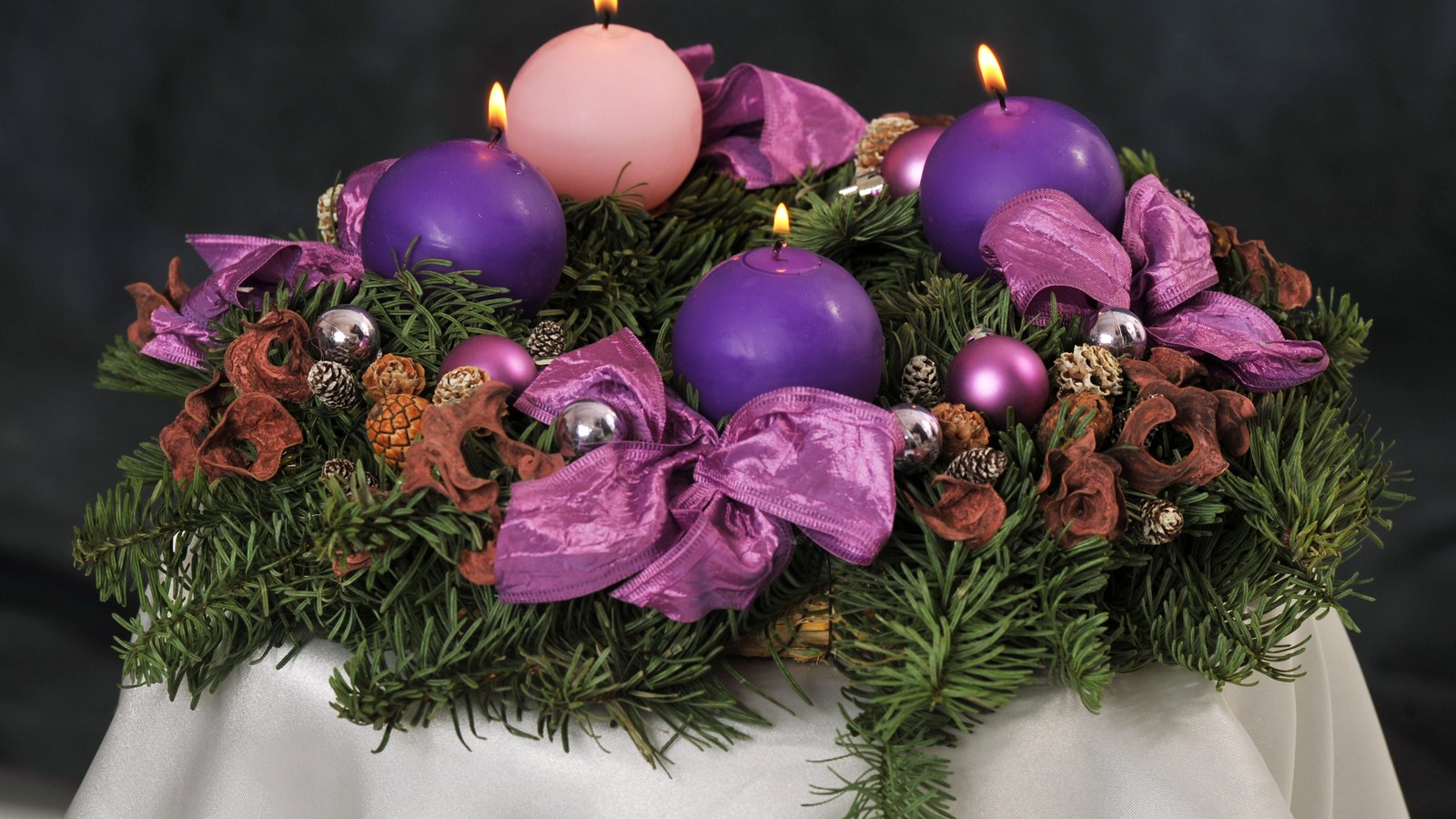
- Pray it with your Advent wreath at dinner, adding a few repetitions each evening.
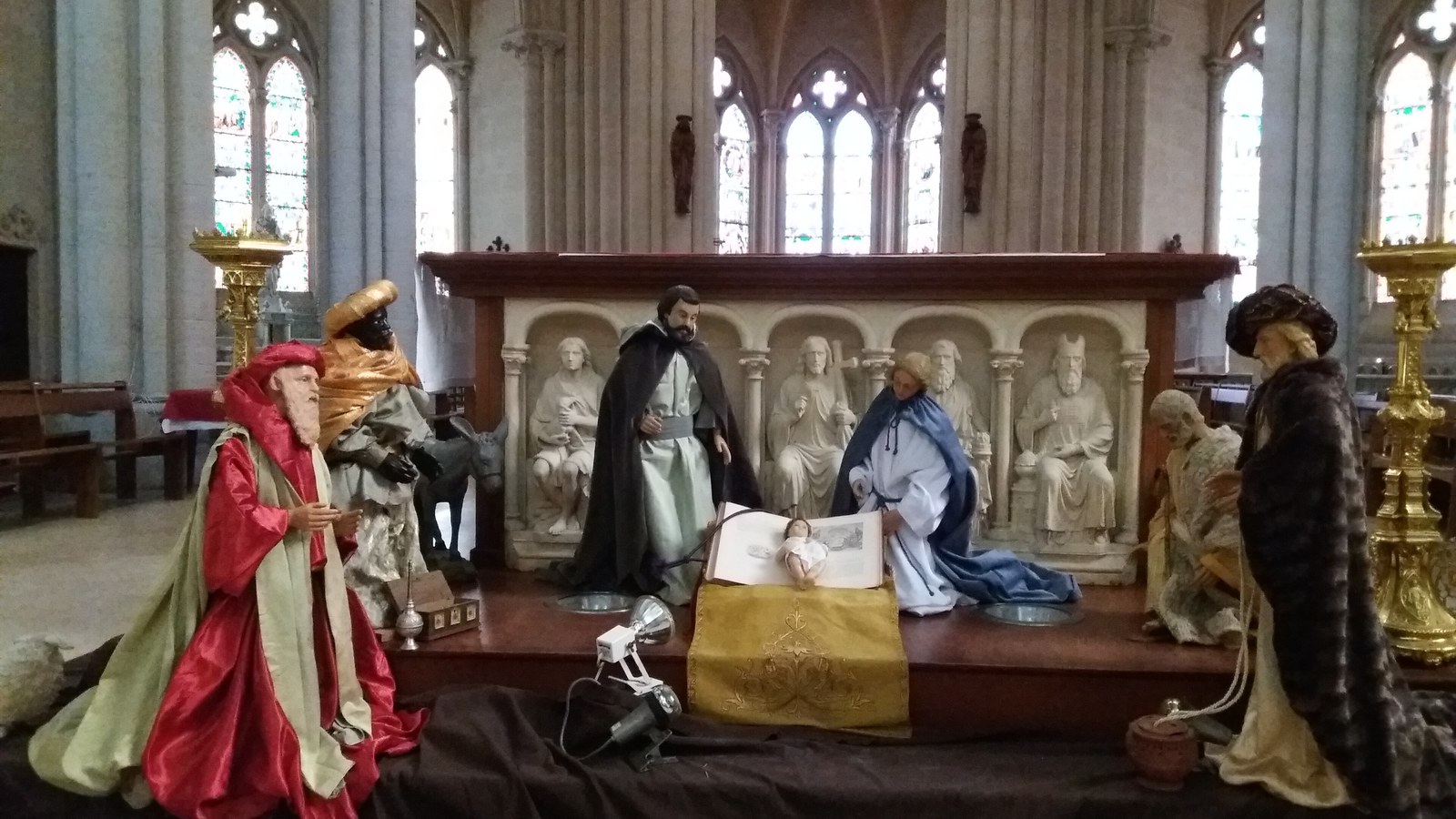
- Write your intention on a card and place it near your family’s Nativity scene.
- Pray it for someone else: a sick relative, a friend who has drifted from the faith, a soul in purgatory.
- Pair it with Scripture. Read the daily Mass readings or one of our Advent reflections. Our Advent 2026 guide has more ideas.
Frequently asked questions
When does the St. Andrew Christmas Novena start in 2026? Monday, November 30, 2026, the Feast of St. Andrew.
Do I have to say all 15 prayers at once? No. You can spread them throughout the day.
What if I start late? Begin whenever you can. There’s no rule that says a late start “doesn’t count.”
Is it required for Catholics? No. It’s a voluntary popular devotion. The obligations of the season are the ones the Church sets, such as Sunday Mass and holy days of obligation.
Pray through Advent with Walsingham Radio
Walsingham Radio was founded by Cesar Ramirez in Murrieta, California, to share the truth of the Catholic Faith 24/7. This Advent, let us keep you company between your 15 prayers each day. Listen on our radio stream, explore our shows, send a prayer request through our contact page, and if this mission has blessed you, please consider supporting Walsingham Radio. St. Andrew, pray for us.