Short answer: The First Sunday of Advent falls on Sunday, November 29, 2026. It opens a new liturgical year and begins Year B of the Sunday Lectionary, the year when most Sunday Gospels come from St. Mark. The readings are Isaiah 63:16b-17, 19b; 64:2-7, Psalm 80, 1 Corinthians 1:3-9 and Mark 13:33-37, where Jesus tells His disciples: “Be watchful! Be alert!” Advent begins not with the manger, but with a call to stay awake for the Lord’s coming.
A new Church year begins
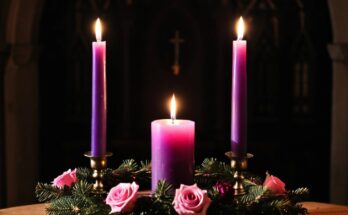
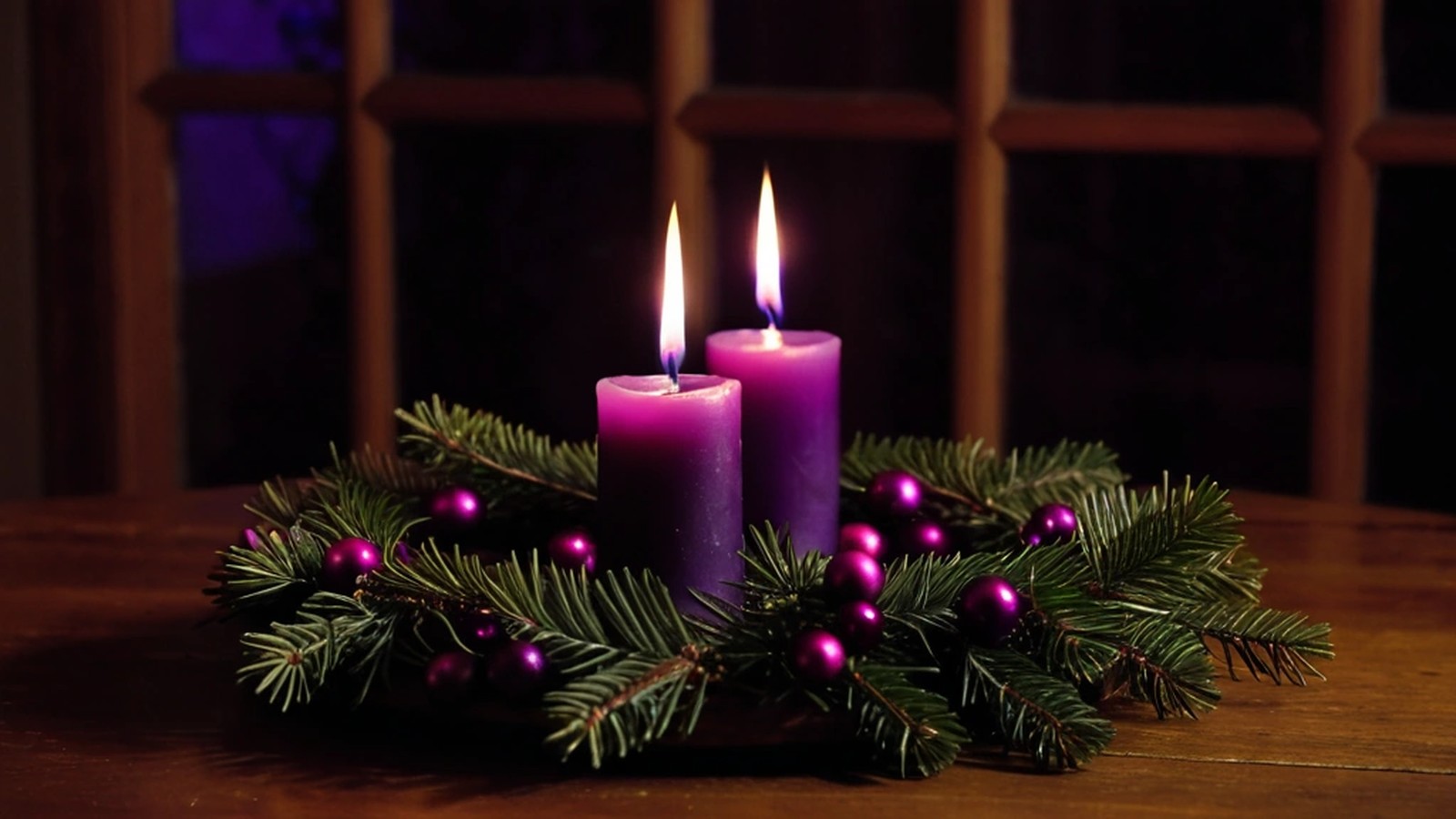
While the world counts down to Christmas from Black Friday, the Church starts over. The First Sunday of Advent is the Church’s New Year’s Day. The priest wears violet, the Gloria is not sung at Sunday Mass until Christmas, and the first candle of the Advent wreath is lit.
Advent has two movements. Until December 16, the liturgy looks mainly to Christ’s Second Coming at the end of time. From December 17 to 24, it turns more directly to preparing for the celebration of His birth at Bethlehem (General Norms for the Liturgical Year and the Calendar, no. 39). The First Sunday sits squarely in that first movement, and the readings make it clear.
This year Advent is relatively long. Christmas falls on a Friday, so the Fourth Sunday of Advent is December 20, and the season runs nearly four full weeks. That is a gift: time to prepare well instead of rushing.
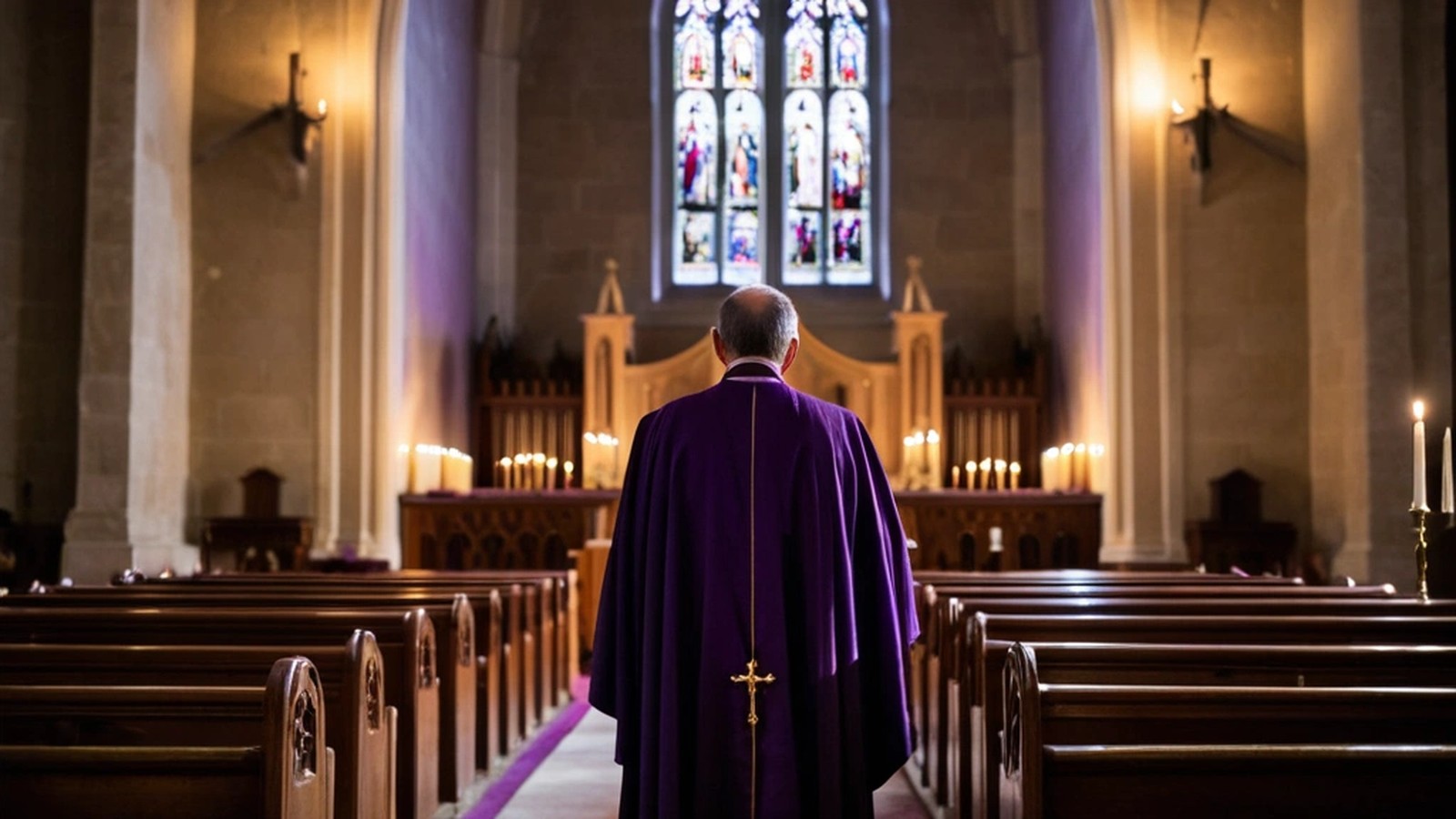
The readings for the First Sunday of Advent, Year B
These are the readings from the Lectionary for Mass used in the United States (Lectionary no. 2), as listed by the USCCB.
First Reading: Isaiah 63:16b-17, 19b; 64:2-7
Isaiah speaks for a people who know they have wandered. They beg God to “rend the heavens and come down.” The prophet is honest about sin, comparing our good deeds to “polluted rags,” but he ends with trust: “we are the clay and you the potter: we are all the work of your hands.” Advent begins with humility. We are not ready on our own, and we ask God to come and reshape us.
Responsorial Psalm: Psalm 80
The refrain is the prayer of the whole season: “Lord, make us turn to you; let us see your face and we shall be saved.” It is worth memorizing and praying throughout the week.
Second Reading: 1 Corinthians 1:3-9
St. Paul reminds the Corinthians that they lack no spiritual gift “as you wait for the revelation of our Lord Jesus Christ,” and that God “will keep you firm to the end.” We do not wait alone or in our own strength. “God is faithful.”
Gospel: Mark 13:33-37
Jesus compares Himself to a man traveling abroad who leaves his servants in charge, each with his own work, and tells the gatekeeper to keep watch. No one knows whether the master will return “in the evening, or at midnight, or at cockcrow, or in the morning.” The passage ends: “What I say to you, I say to all: ‘Watch!'”
What does “Watch!” mean for us?
Jesus is not asking us to predict the date of His return. He says plainly that we do not know the time. He is asking for a way of living.
- Watching means faithful work. The servants in the parable are not sitting idle at the window. Each has “his own work.” Watching for Christ looks like doing our daily duties well, as parents, workers, students and parishioners.
- Watching means staying awake spiritually. The danger Jesus names is being found “sleeping”: drifting, distracted, numb to God. Prayer, the sacraments and regular examination of conscience keep us alert.
- Watching means hope, not fear. Paul’s words balance the Gospel. The One who is coming is the One who keeps us firm. Christians wait for a Bridegroom, not a debt collector.
The Church gives us Advent so that we can practice this kind of waiting every year, and so that we are ready whenever He comes, at Christmas, in our daily lives, at the hour of our death, and at the end of time.

Why Year B means St. Mark
The Sunday Lectionary runs on a three-year cycle. Year A focuses on Matthew, Year B on Mark and Year C on Luke, with John’s Gospel woven in at key seasons. From this Sunday through the Solemnity of Christ the King in November 2027, most Sunday Gospels will come from Mark, the shortest Gospel, known for its urgency and its frequent use of the word “immediately.” If you have never read Mark straight through, Advent is a good time to start. It takes about an hour or two.
Simple ways to begin Advent well this weekend
- Go to Mass on Saturday evening or Sunday and listen for the word “Watch.” Reading the readings beforehand helps them sink in.
- Light the first purple candle of your Advent wreath on Sunday. New to this? See our guide to setting up an Advent wreath at home.
- Start the St. Andrew Christmas Novena on Monday, November 30, the Feast of St. Andrew. Our St. Andrew Novena guide has the prayer and how to pray it.
- Plan a good Confession before Christmas. Many parishes hold Advent penance services; check your parish bulletin.
- Mark Tuesday, December 8 on your calendar. The Immaculate Conception is a holy day of obligation in the United States.
- Choose one small, concrete practice, such as a daily decade of the Rosary, less screen time or a weekly act of charity, and keep it for all four weeks.
Frequently asked questions
When does Advent 2026 start? Advent begins with the First Sunday of Advent on November 29, 2026, including the Saturday evening Vigil Mass on November 28, and ends before the evening Mass of Christmas Eve on December 24.
Is the First Sunday of Advent Year A, B or C in 2026? Year B. The 2025-2026 Church year was Year A; Year B runs from November 29, 2026, through Christ the King in 2027.
What is the Gospel for the First Sunday of Advent 2026? Mark 13:33-37, the parable of the gatekeeper, with Jesus’ command, “Be watchful! Be alert!”
Why don’t we sing the Gloria during Advent? The Gloria is omitted on Advent Sundays so that it rings out with new joy at Christmas, echoing the angels’ song at Bethlehem.
Keep watch with Walsingham Radio
Walsingham Radio shares the truth of the Catholic faith 24/7. As you light the first candle and step into a new Church year, let solid Catholic teaching keep you awake and ready. Listen to our streams at home, in the car or while you prepare for Christmas. Our Lady of Walsingham, pray for us.