Short answer: The O Antiphons are seven short prayers the Church sings at Evening Prayer (Vespers), before and after the Magnificat, on the seven days from December 17 to December 23. Each one calls on the coming Messiah by a title from the Old Testament: O Wisdom, O Lord, O Root of Jesse, O Key of David, O Dayspring, O King of the Nations, and O Emmanuel. Each ends with a plea for Him to come. They are also used as the Alleluia verse at Mass on those days, and the familiar hymn “O Come, O Come, Emmanuel” is built from them.
In 2026, Advent begins on Sunday, November 29, and the O Antiphons run from Thursday, December 17, through Wednesday, December 23. They mark the final, more intense stretch of Advent, when the Church’s prayer turns directly toward the birth of Christ.
Where the O Antiphons come from
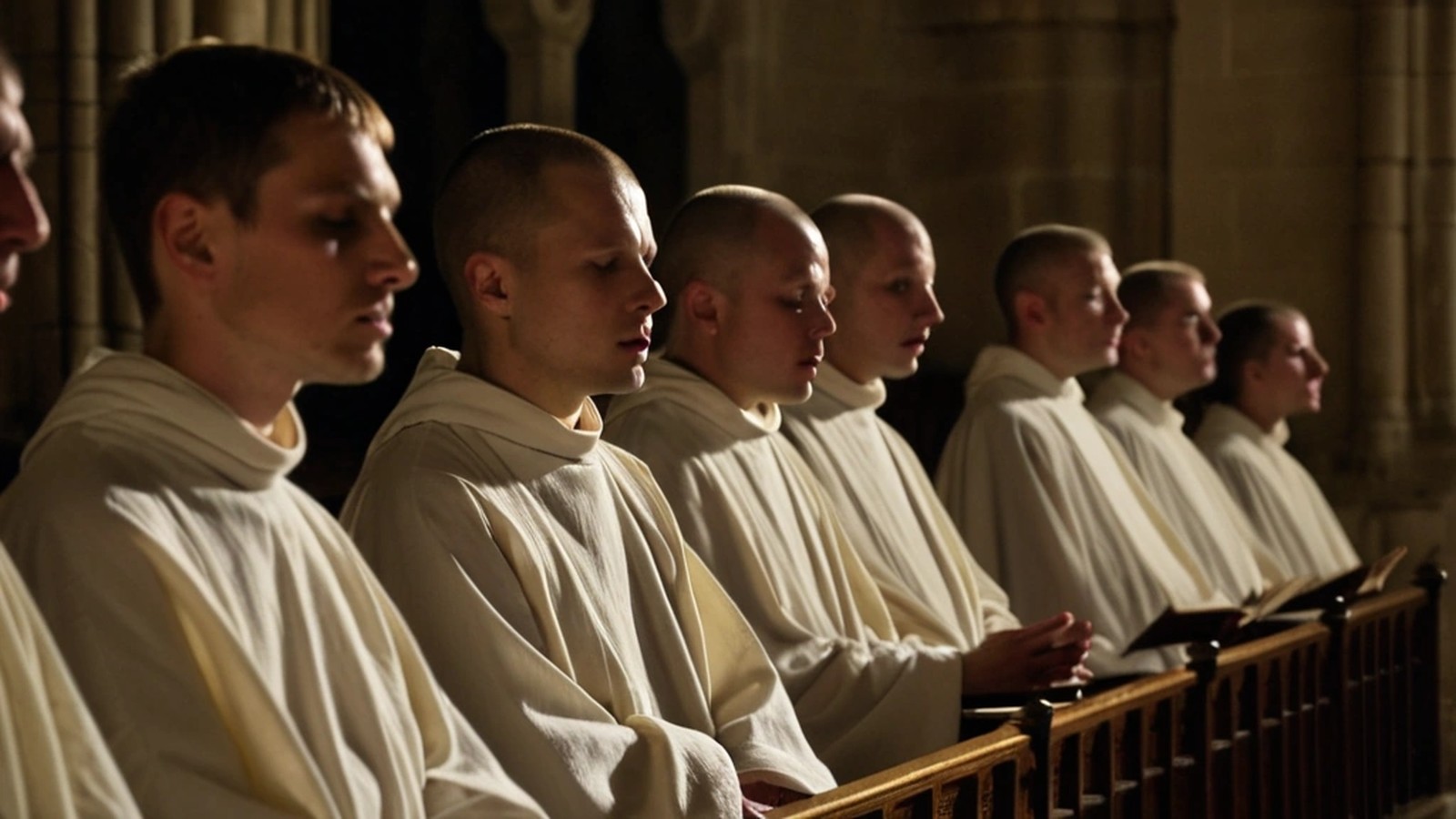
The O Antiphons are very old. They were already in use in the Western Church in the early Middle Ages, and they have been part of the Roman liturgy for well over a thousand years. Monks and nuns chanted them in Latin at Vespers as the sun went down during the darkest days of the year, a fitting moment to pray for the coming of the Light.
Each antiphon follows the same pattern: it addresses Christ with a title, praises Him with images drawn from the prophets, and ends with the word veni, “come,” and a specific request.

The seven O Antiphons, day by day
December 17 – O Sapientia (O Wisdom) Christ is the Wisdom that came forth from the mouth of the Most High, ordering all things mightily and sweetly. Come and teach us the way of prudence. (See Sirach 24:3 and Wisdom 8:1.)
December 18 – O Adonai (O Lord) The Lord and leader of the house of Israel, who appeared to Moses in the flame of the burning bush and gave him the Law on Sinai. Come and redeem us with outstretched arm. (See Exodus 3 and 20.)
December 19 – O Radix Jesse (O Root of Jesse) The root of Jesse, standing as a sign for the peoples, before whom kings will fall silent. Come to deliver us, and delay no longer. (See Isaiah 11:1, 10.) If your family keeps a Jesse Tree, this is a natural day to pray beside it.
December 20 – O Clavis David (O Key of David) The key of David and scepter of the house of Israel, who opens and no one shuts, who shuts and no one opens. Come and lead the prisoner out of the prison house, those who sit in darkness and the shadow of death. (See Isaiah 22:22 and Revelation 3:7.)
December 21 – O Oriens (O Dayspring, or O Rising Sun) The radiance of eternal light and the sun of justice. Come and enlighten those who sit in darkness and the shadow of death. (See Malachi 3:20 and Luke 1:78–79.) It falls near the winter solstice, the longest night of the year in the Northern Hemisphere.
December 22 – O Rex Gentium (O King of the Nations) The King and desire of the nations, the cornerstone who makes both one. Come and save man, whom You formed from the dust of the earth. (See Haggai 2:7, Isaiah 28:16 and Ephesians 2:14, 20.)
December 23 – O Emmanuel (O God-With-Us) Our King and lawgiver, the hope of the nations and their Savior. Come and save us, O Lord our God. (See Isaiah 7:14.)
The hidden message: “ERO CRAS”
Take the first letter of each Latin title after the “O” — Sapientia, Adonai, Radix, Clavis, Oriens, Rex, Emmanuel — and read them backward. They spell ERO CRAS, Latin for “Tomorrow I will be there.” Whether or not the medieval composers designed it on purpose, it is a lovely meditation: on December 23, the night before Christmas Eve, the antiphons seem to answer their own prayer.
An English connection
In medieval England, including the Sarum Use followed in many English churches, the O Antiphons began a day earlier, on December 16, and included an additional antiphon addressed to Our Lady. Traces of this survive: the calendar of the Anglican Book of Common Prayer still marks December 16 as “O Sapientia.” For a radio apostolate named for Our Lady of Walsingham, England’s great Marian shrine, it’s a reminder of how deeply these prayers ran through Catholic England before the Reformation.
“O Come, O Come, Emmanuel”
The beloved Advent hymn is a paraphrase of the O Antiphons. Its Latin form, Veni, Veni, Emmanuel, reworked the antiphons into rhymed verses, and the English translation most people know comes from the Anglican priest John Mason Neale in the 19th century. Each verse matches one of the antiphons: “O come, Thou Wisdom from on high,” “O come, Thou Key of David, come,” “O come, Thou Dayspring,” and so on. Singing all the verses during the week of December 17 is one of the simplest ways to pray along with the Church.
How to pray the O Antiphons at home
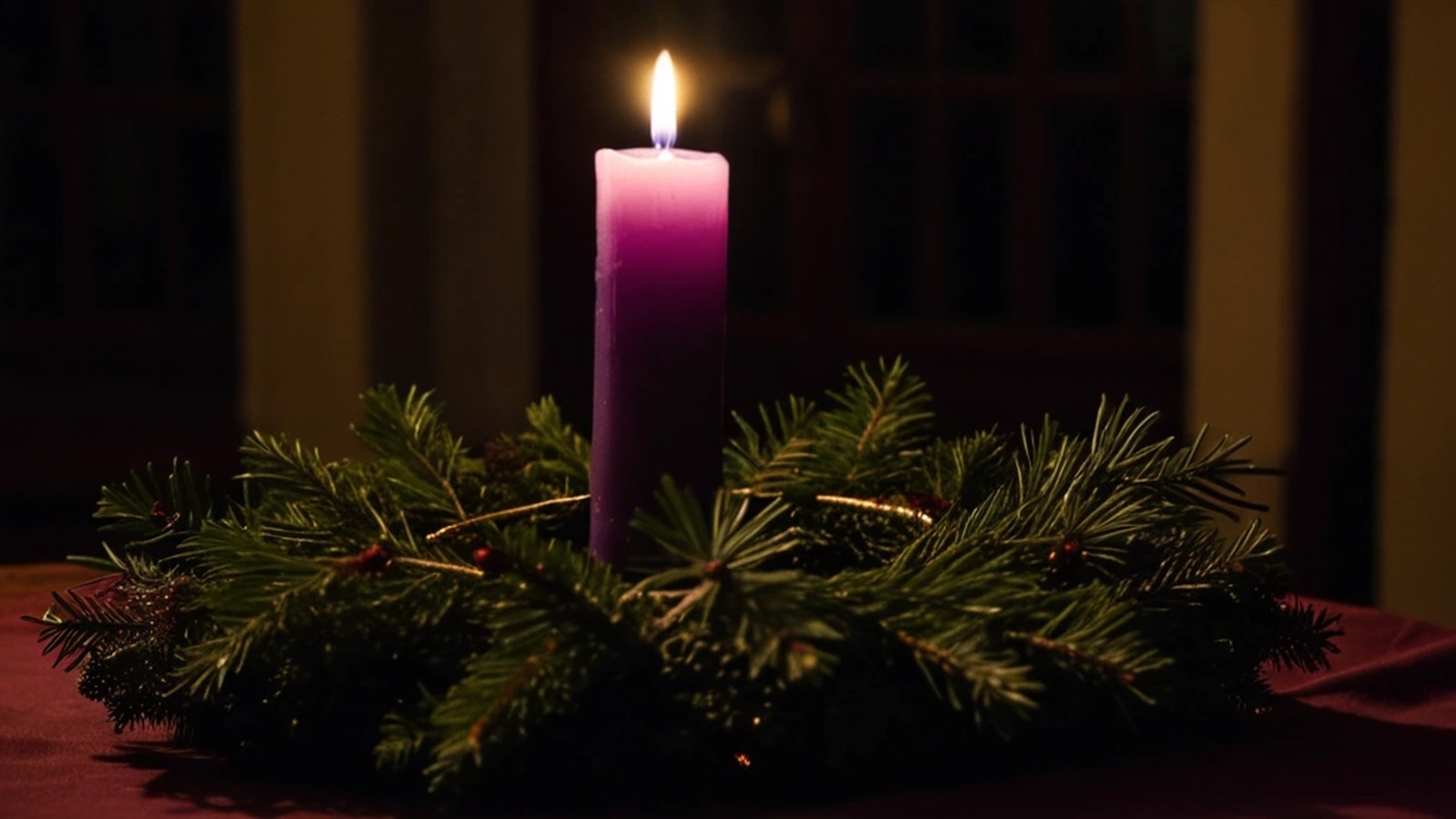
- At dinner or evening prayer: Light your Advent wreath, read the day’s antiphon aloud, and sing the matching verse of “O Come, O Come, Emmanuel.”
- With the Magnificat: If you pray Evening Prayer, say the antiphon before and after Mary’s song (Luke 1:46–55), as the Church does.
- With children: Make seven simple symbols, such as a book for Wisdom, a flame for Adonai, a key for the Key of David and a sun for the Dayspring, and reveal one each night.
- At Mass: If you attend daily Mass from December 17 to 23, listen for the antiphon in the Alleluia verse before the Gospel.
- Read the Scriptures: Look up the passage behind each title and spend a few quiet minutes with it.
Frequently asked questions
When are the O Antiphons prayed? From December 17 through December 23, at Evening Prayer (Vespers), with the Magnificat.
Why are they called the “O” Antiphons? Because each one begins with the exclamation “O,” followed by a title of Christ.
Can laypeople pray them? Yes. Anyone can pray the antiphons, whether with the Liturgy of the Hours, as a family devotion or by singing the hymn.
What does ERO CRAS mean? “Tomorrow I will be there.” It’s spelled by reading the first letters of the Latin titles in reverse order.
Pray Advent with Walsingham Radio
The final days of Advent pass quickly in the rush before Christmas. Let the O Antiphons slow you down and turn your heart toward the One who is coming. Walsingham Radio shares the truth of the Catholic faith 24/7. Tune in to our streams and shows this Advent, and pray with us as we wait for Emmanuel.